
Best Dog Food: 10 Things to Check Before You Buy
 By Christiaan Joubert · Published 28 July 2026 · 7 min read
There is no single best dog food that suits every dog, but there is a best dog food for your dog, and you can spot it by what is printed on the label rather than what is splashed across the front of the bag. At Pawtel we work with sitters, groomers, trainers, and veterinarians every day, and one question comes up more than almost any other: how do I know if I am buying good food? This guide turns that worry into a simple checklist.
Below are ten things to check before you buy, from the nutritional adequacy statement down to the very first ingredient. Work through them and you will be able to judge the best dog food for your dog in any aisle, in any country, without falling for clever packaging.
Quick answer: what makes the best dog food
The best dog food carries an AAFCO or FEDIAF "complete and balanced" statement for the right life stage, names a real animal protein as its first ingredient, and suits your dog's size, age, and health. Brand matters far less than these fundamentals. When you are unsure, your vet is the best guide.
What this guide covers
How the best dog food formats compare at a glance
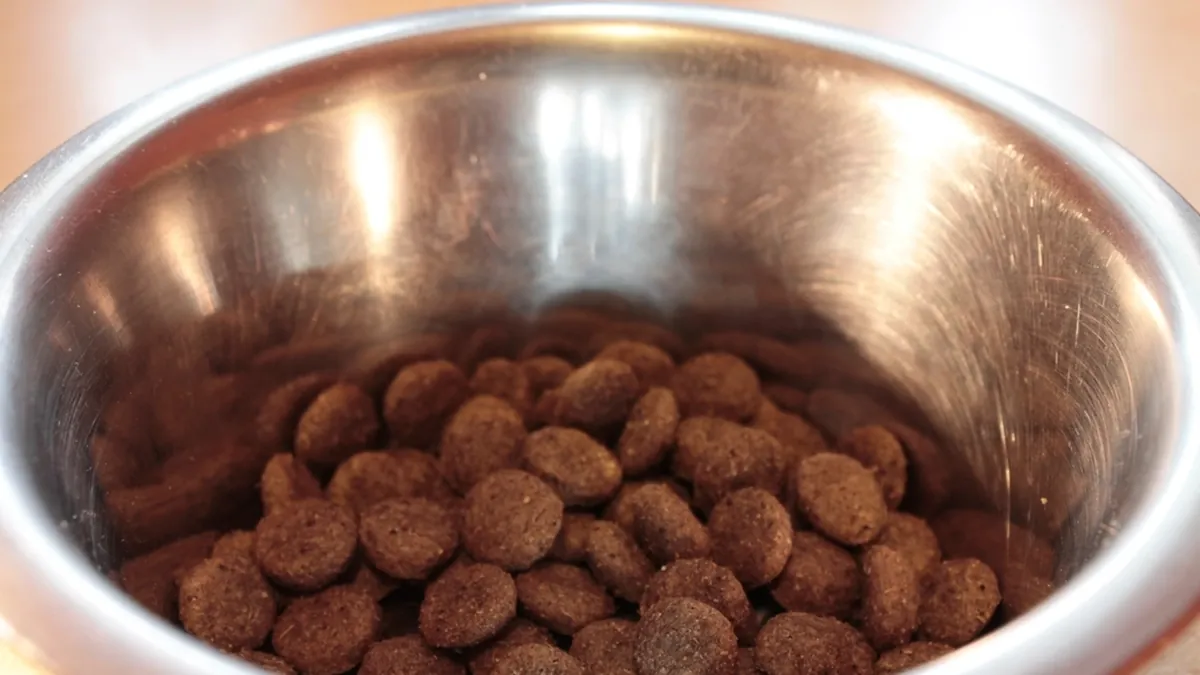
Before the checklist, here is how the four common formats stack up. The best dog food can come in any of them, as long as it is complete and balanced.
| Format | Cost | Pros | Cons | Best for |
|---|---|---|---|---|
| Dry (kibble) | Low | Convenient, long shelf life, dental wear | Lower moisture | Most households, budgets |
| Wet (canned) | Medium | High moisture, very palatable | Pricier, opens then spoils | Fussy eaters, older dogs |
| Fresh / gently cooked | High | Minimally processed, tasty | Expensive, needs fridge | Owners wanting whole-food diets |
| Raw (BARF) | High | Some owners report shiny coats | Handling and balance risks | Committed owners, with vet guidance |
1. Start with the "complete and balanced" statement
This one line separates the best dog food from a mere snack. In the US, look for a statement that the food is "complete and balanced" and meets the nutrient profiles set by AAFCO. In Europe, the equivalent is a complete food ("Alleinfuttermittel") that meets FEDIAF guidelines. Anything labelled complementary, a topper, or a treat is not a full diet. Check the statement names the right life stage too: growth, adult maintenance, or all life stages.
2. Check that a named animal protein comes first
Ingredients are listed by weight, so the first few tell you what the food is mostly made of. The best dog food usually leads with a clearly named animal protein such as chicken, lamb, beef, or salmon, or a named meal like "chicken meal" (which is simply meat with the water removed, and is perfectly good). Vague terms like "meat and animal derivatives" tell you far less about quality.
3. Match the food to your dog's life stage
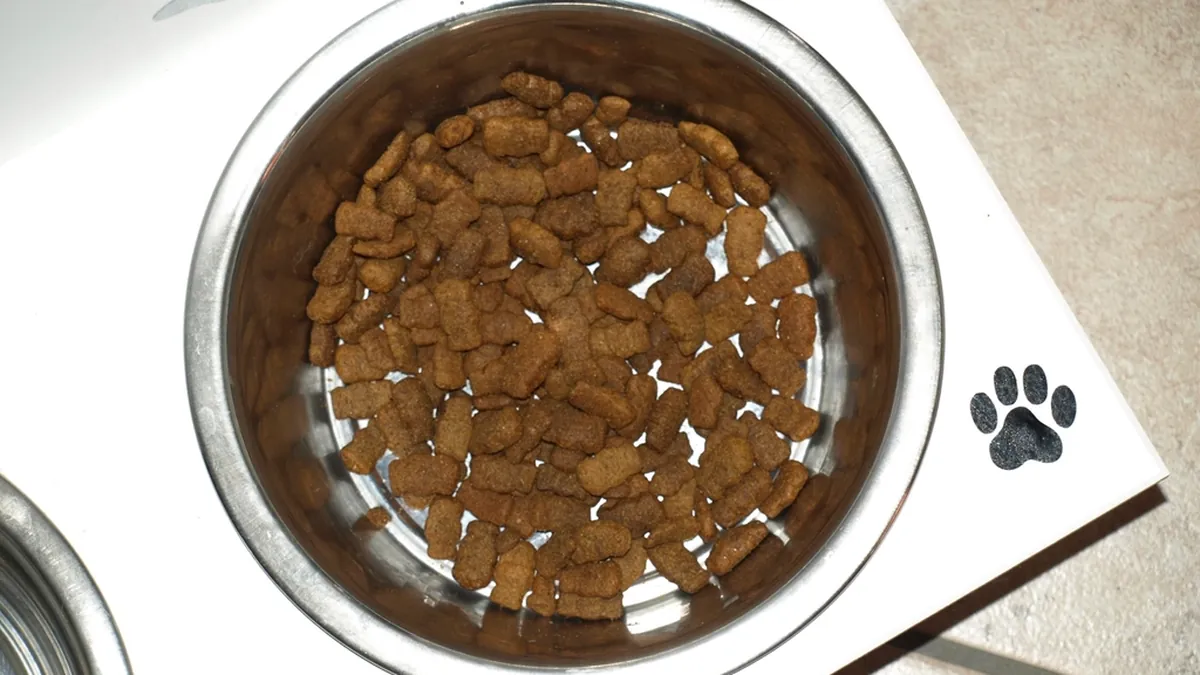
The best dog food for a puppy is not the best dog food for a senior. A puppy is building a whole body and needs more energy, protein, and specific calcium-to-phosphorus ratios; large-breed puppies need food formulated to slow growth and protect developing joints. Seniors often do better on food tuned for easy digestion and healthy weight. Feeding the wrong life stage is one of the most common and avoidable mistakes.
4. Choose the right format: dry, wet, fresh, or raw
Format is more about budget, convenience, and preference than one option being superior. The best dog food for your household might be dry as a base with a little wet food added for moisture and enthusiasm. If you are drawn to raw or fresh diets, do it with veterinary input so the food stays balanced and safely handled.
5. Read the ingredient list, not the front of the bag
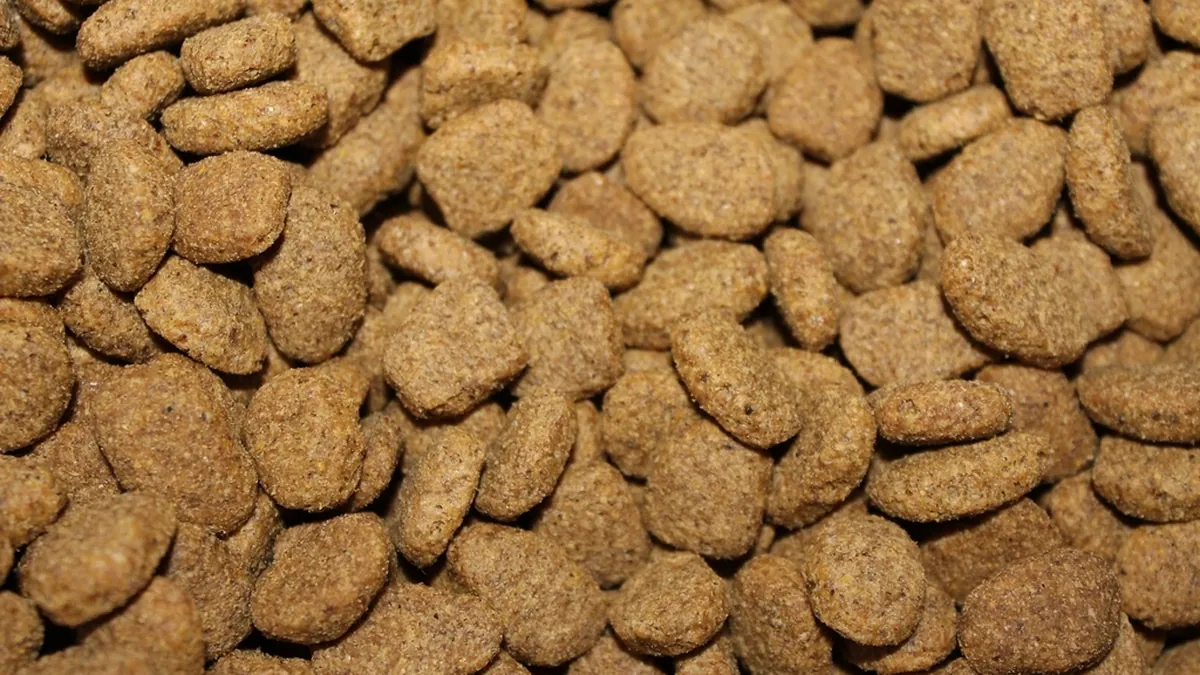
The front of the bag is marketing; the back is information. The best dog food shows a short, recognisable ingredient list with a named protein near the top, plus a guaranteed analysis (percentages of protein, fat, fibre, and moisture). Do not be scared off by long chemical-sounding names in the vitamin and mineral section; those are just added nutrients, a feature rather than a flaw.
6. Watch for red flags and vague labels
A few things should make you put the bag down: no "complete and balanced" statement anywhere, no named protein up top, or dramatic health claims ("cures allergies," "prevents cancer") that no food can honestly make. The best dog food does not need to be the priciest on the shelf, but rock-bottom price and vague fillers usually mean rock-bottom quality.
Great food is one part of great care
Vetted sitters, groomers, trainers, and vets near you, with secure in-app payments and photo updates while you are away.
7. Factor in your dog's size, breed, and health needs
A tiny toy breed and a giant breed do not eat the same way, so the best dog food also fits your dog's body. Small dogs often prefer small kibble and need calorie-dense food in modest portions; large breeds benefit from formulas that support joints and steady growth. Dogs with conditions such as kidney disease, allergies, or a sensitive stomach may need a specific therapeutic diet, which brings us to the golden rule at the end of this list.
8. See past the marketing myths
Three myths make the best dog food harder to spot. Grain-free is only necessary for the small number of dogs with a real grain allergy, and veterinary authorities have investigated a possible link between some grain-free diets and heart disease, so it is not automatically healthier. "Human-grade" is a marketing term more than a nutritional one. And by-products are not automatically bad; organ meats like liver are nutritious and are exactly what a wild dog eats first.
9. Transition to new food slowly
Even the best dog food will upset a stomach if you switch overnight. Move across over seven to ten days: start with mostly old food and a little new, then shift the ratio a bit each day until you are fully on the new food. If you see loose stools, slow down. A calm transition is the difference between a happy switch and a weekend of accidents.
10. When in doubt, ask your vet
No blog, including this one, knows your individual dog; your vet does. If your dog has a medical condition, is losing or gaining weight, or simply is not thriving, your vet can name the best dog food for them far more reliably than any packaging. For independent guidance, the WSAVA Global Nutrition Guidelines are an excellent, jargon-free resource.
How to choose the best dog food for your dog
Put the checklist together and the best dog food is easy to spot. Confirm the food is complete and balanced for the right life stage, check that a named protein leads the ingredients, pick a format that fits your life and budget, and introduce it slowly. Whichever food you land on, you do not have to manage your dog's whole world alone: Pawtel connects you with verified sitters, groomers, trainers, and vets across 42 countries, and if you are a pet-care professional, you can offer your services on Pawtel too.
The best dog food for puppies, adults, and seniors
Life stage is the fastest way to narrow the shelf. Puppies need growth formulas (and large-breed puppies need large-breed growth food specifically). Healthy adults do well on adult-maintenance food. Seniors often benefit from easier-to-digest, weight-conscious recipes. The best dog food for a twelve-week-old puppy is simply not the best dog food for a twelve-year-old senior, even from the same brand.
Finding the best dog food on a budget
The best dog food on a budget is the most affordable bag that still passes the two non-negotiables: a complete and balanced statement and a named protein near the top. Mid-range supermarket and own-brand foods often clear that bar comfortably. Buying larger bags, feeding correct portions rather than overfeeding, and mixing dry with a little wet all stretch the budget without cutting quality.
Frequently asked questions
What is the best dog food for my dog?
The best dog food carries an AAFCO or FEDIAF complete and balanced statement for your dog's life stage, lists a named animal protein first, and suits your dog's size and health. Brand matters far less than those fundamentals. If your dog has a medical condition, your vet is the best guide to the right food.
Is grain-free dog food better?
Not for most dogs. Grain-free is only necessary for the small number with a diagnosed grain allergy, and the US FDA has investigated a possible link between some grain-free diets and a heart condition called dilated cardiomyopathy. Choose grain-free on veterinary advice, not marketing.
Is dry or wet dog food better?
Both can be excellent as long as they are complete and balanced. Dry food is affordable and convenient and helps dental wear; wet food adds moisture and is often more palatable for picky or older dogs. Many owners mix the two, which is perfectly fine.
How do I read a dog food label?
Ignore the front of the bag and read the ingredient list and the nutritional adequacy statement. Ingredients are listed by weight, so you want a named meat near the top. Check the guaranteed analysis for protein and fat, and confirm the food is complete and balanced for the correct life stage.
How often should I change my dog's food?
Not often. If your dog is healthy and doing well, keep them on it. When you do switch, do it gradually over seven to ten days to avoid stomach upset. Change food when life stage, weight, or a health issue calls for it, ideally with your vet's input.
Sorting out your dog's food and care together? Download Pawtel for iOS or Android and line up trusted local pet care in minutes.