

The Complete Pet Sitter Checklist: What to Prepare Before You Leave
 By Christiaan Joubert · Published 19 July 2026 · 7 min read
Handing your pet's routine to someone else is a leap of trust, even with a great sitter. The difference between a stay that runs itself and a week of anxious phone calls is almost always preparation: the right supplies in the right place, the important information written down, and no surprises for anyone, least of all your pet.
This is the handover checklist we recommend to owners on Pawtel, refined by what sitters tell us they wish every owner prepared. Work through it the week before you leave and the stay will feel boring, in the best possible way.
Quick answer: what to prepare for a pet sitter
- Food, meds, and supplies with a buffer of a few extra days
- Written care instructions: routine, amounts, quirks
- Health and emergency info: vet details, consent, contacts
- Home access and house rules: keys, codes, off-limits areas
- Comfort and routine items: bed, toys, something that smells of you
- A meet-and-greet before the stay, never on day one
- An update plan: how often, and through which channel
1. Food, medication, and supplies
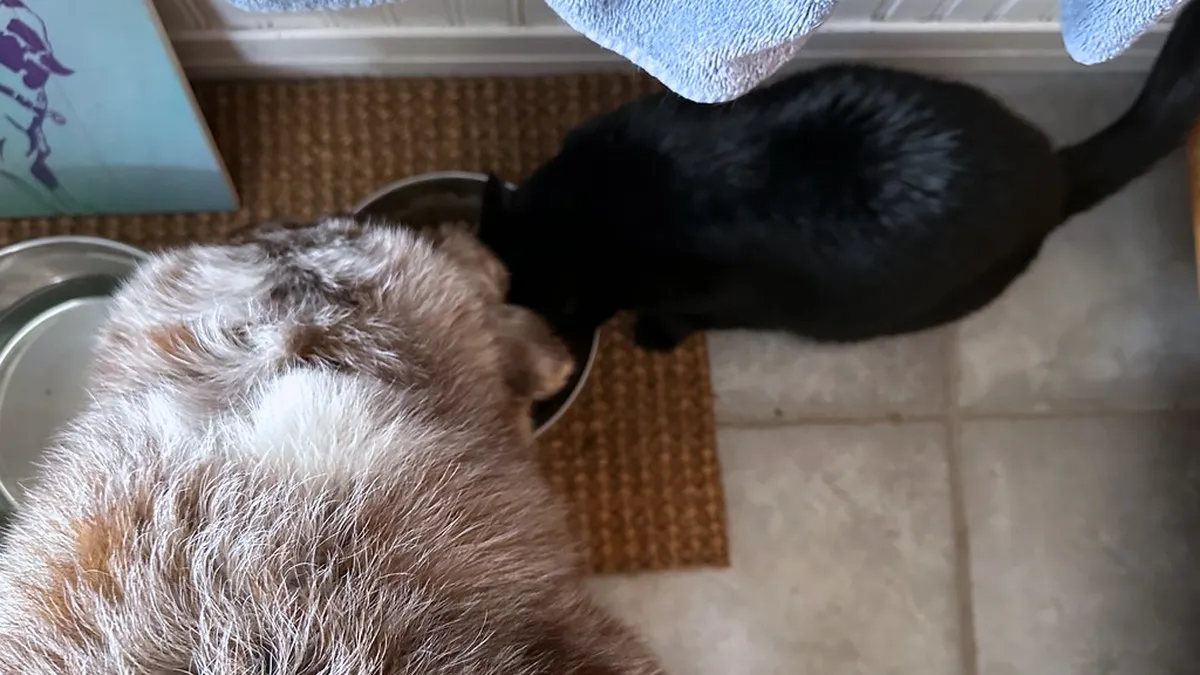
Gather everything in one visible spot, ideally a single cupboard or box the sitter can find without hunting. Then check:
- Enough food for the whole stay plus three extra days, in case your return is delayed
- A measuring cup or pre-portioned meals, so "one scoop" means the same to everyone
- Medication with written doses and times, plus a few spare doses
- Treats, and a note on the daily limit (sitters report that "just one more" face works on them too)
- Litter, poo bags, cleaning supplies, and where the vacuum lives for the inevitable accident
- Leash, harness, and tags checked for wear, with a spare if you have one
2. Written care instructions

Verbal briefings evaporate the moment you drive away. One page, on the fridge or in the sitter's chat, covering:
- The daily routine with rough times: meals, walks, play, bedtime
- Exact feeding amounts and any foods that are strictly off the menu
- Walk specifics: where, how long, on-leash rules, and reactivity triggers to avoid
- Quirks and fears: hates thunder, hides under the bed from the vacuum, will bolt through open gates
- Commands your pet actually knows, and the words you use for them
- What is normal for your pet, so the sitter can tell ordinary weirdness from a warning sign
If your dog struggles with being left between visits, share our guide on teaching a dog to stay home alone with your sitter so you are both using the same playbook.
3. Health and emergency information
You will probably never need this section. Prepare it as if you will:
- Your vet's name, address, phone number, and opening hours, plus the nearest emergency clinic
- Written consent for treatment in your absence, and how costs will be covered
- Vaccination records and any ongoing conditions, in one folder or shared document
- Your travel contact details, and a local emergency contact with a key
- Microchip number and pet insurance details, if you have them
4. Home access and house rules
For stays in your home, the sitter needs to operate the house as smoothly as the pet:
- Tested keys (try them yourself), alarm codes, and the Wi-Fi password
- Which rooms or areas are off-limits, for the sitter and for the pet
- House quirks: the door that sticks, the tap that drips, the bin schedule
- Whether visitors are okay, and any neighbours who should know someone will be around
- Where spares live: light bulbs, fuses, and that one drawer with everything in it
5. Comfort and routine items

Pets navigate change through familiarity. Give the sitter the tools to keep your pet's world intact:
- Their own bed and blankets, unwashed, so they smell like home
- An old T-shirt of yours for the bed if your pet is the velcro type
- The favourite toys, and which one is The Toy that must never be lost
- Any rituals that matter: the goodnight treat, the after-walk chest scratch, the exact windowsill for morning sun
6. Before you go: the meet-and-greet
Never let day one of the stay be the first meeting. Book a short meet-and-greet days or weeks ahead: let your pet approach in their own time, walk the sitter through the house and the routine, and watch how the two of them get on. Good sitters ask questions; great ones ask questions your pet would ask if it could.
For longer stays or anxious pets, add a paid trial run: a single overnight or a full walk-feed-play cycle while you are still reachable nearby. It surfaces every gap in your instructions while the stakes are still low.
The checklist is ready. Now find the sitter.
Every sitter on Pawtel is verified and reviewed, payments are held securely until the service is complete, and photo updates come straight to your phone.
7. While you are away
Agree before you leave how often you want updates and where: a photo at every visit, a daily summary in the evening, or just "message me if anything is off". On Pawtel, updates and photos arrive in the app chat, and payment is held until the service is complete, so the admin side takes care of itself while you are gone.
Then, genuinely, let go. You prepared everything on this page; your pet is eating from the right scoop, sleeping on their own unwashed blanket, and being looked after by someone you chose carefully. That was the whole point.
New to finding sitters? Start with verified providers near you, read our guide to what a good pet sitter app should offer, and see our pet owner guide for how booking works end to end.
Frequently asked questions
How far in advance should I book a pet sitter?
For holiday periods and summer travel, book several weeks to a few months ahead; good sitters fill up early. For regular weekdays, a week or two is usually enough. Always leave time for a meet-and-greet before the actual stay.
What information does a pet sitter need?
At minimum: feeding amounts and times, medication doses, the daily routine, quirks and fears, your vet's contact details, an emergency contact, and how to reach you. Written instructions beat verbal ones every time.
Should the sitter stay overnight or do drop-in visits?
It depends on your pet. Dogs, especially those uncomfortable being alone, usually do best with overnight stays or home boarding. Independent cats often cope well with one or two daily drop-in visits. When in doubt, more presence is the safer choice.
How do I know I can trust a pet sitter?
Use a platform that verifies its sitters, read reviews from other owners, and always do a meet-and-greet first to watch how they interact with your pet. Keeping payments on the platform also protects you if anything goes wrong.
What happens if my pet gets sick while I am away?
Agree on the plan in advance: the sitter contacts you immediately, your vet's details are on hand, and you leave written consent for treatment plus a way to cover costs. With that in place, a health scare becomes a manageable event rather than a crisis.
Ready to book with confidence? Download Pawtel for iOS or Android and find a verified sitter your pet will love.