
How to Teach Your Dog to Stay Home Alone (Without the Crying)
 By Christiaan Joubert · Published 19 July 2026 · 8 min read
You know the soundtrack: you pick up your keys, and the whining starts before the door even closes. Maybe it escalates to barking the neighbours mention, a chewed door frame, or a puddle that has nothing to do with house-training. Your dog is not being naughty. They are genuinely distressed about being apart from you, and distress is something you can train away.
At Pawtel we work with trainers and sitters who deal with this every week, and the approach that works is remarkably consistent: make alone-time boring, predictable, and rewarding, and build it up so gradually that your dog never tips into panic. Here is that plan, step by step.
Quick answer: teaching a dog to stay home alone
- Create a calm, safe space your dog loves while you are still home
- Pair alone-time with something great, like a food puzzle that only appears then
- Practice micro-absences: seconds first, then minutes, always below panic level
- Make departures and returns boring, and defuse cues like keys and shoes
- Exercise body and brain first so calm comes naturally
- Extend gradually and monitor with a pet camera, dropping back after setbacks
- Call in a professional if distress persists; rule out medical causes with a vet
First: is it separation anxiety, or just boredom?
The fix differs, so diagnose before you train. A bored dog entertains themselves at your expense; an anxious dog panics about your absence itself. The clues are in the timing and the targets:
| Sign | Likely boredom | Likely separation anxiety |
|---|---|---|
| When it happens | Scattered through the day | Starts at or before your exit |
| Vocalising | Occasional, at outside noises | Persistent whining or howling as you leave |
| Destruction | Random items, often fun to shred | Doors, windows, and exit points |
| Body language | Relaxed between episodes | Pacing, drooling, trembling before you go |
| Accidents | Rare if house-trained | Shortly after departure, despite training |
If your dog naps happily most of the day and just occasionally redecorates, more exercise and enrichment may be the whole answer. If the distress is tied to your leaving, work through the steps below. And if the behaviour appeared suddenly in an adult dog, have a vet rule out pain or illness first; a licensed vet on Pawtel can help with that.
Step 1: Create a calm, safe space
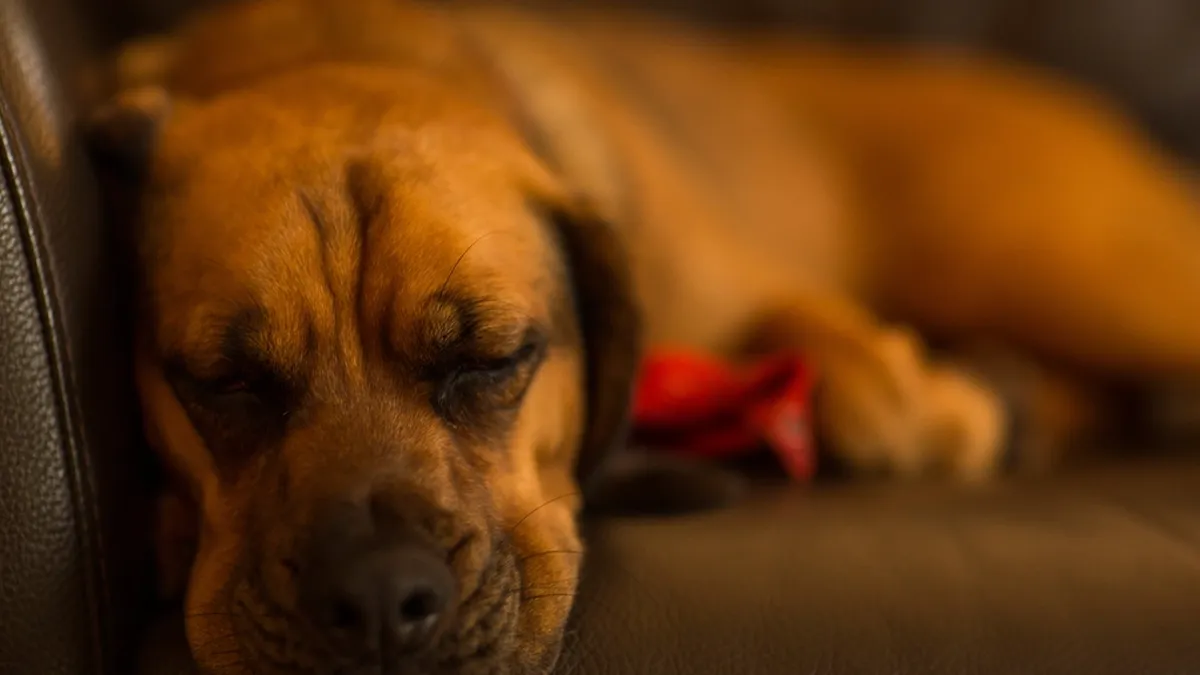
Pick the spot where your dog will spend alone-time: a quiet room or a corner with their bed, water, and something that smells of you. The crucial part is that this space must be wonderful while you are still home. Feed meals there. Hand out chews there. Nap nearby. If the special room only ever appears when you vanish, it becomes a warning sign instead of a sanctuary.
Whether that space includes a crate depends entirely on your dog. A dog who already loves their crate as a den can find it genuinely soothing. A dog who merely tolerates it may panic when confined. When in doubt, use a room or a pen rather than a closed crate.
Step 2: Build positive alone-time associations
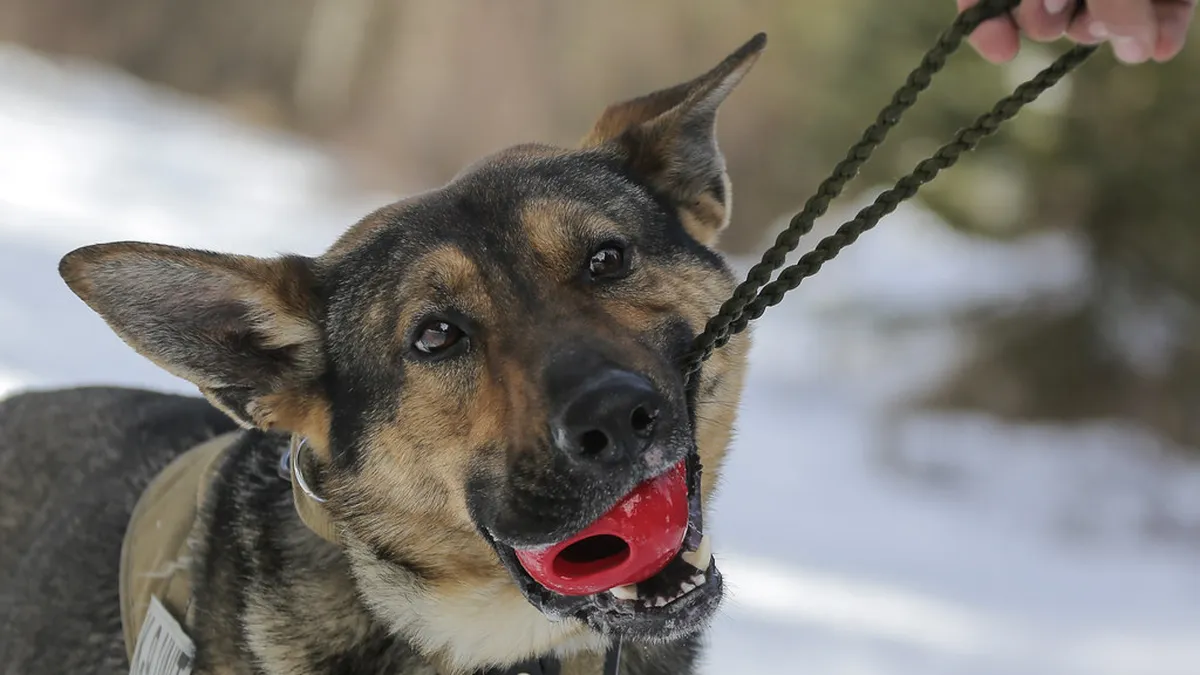
Now give your dog a reason to look forward to your absences. Reserve one glorious, long-lasting treat exclusively for alone-time practice: a stuffed food toy, a lick mat, a safe chew. It appears when you step away and, just as importantly, it goes away when you return.
Done consistently, the maths flips in your favour: your departure starts to predict the best snack of the day. Many dogs reach the point of trotting to their spot expectantly when they hear the routine begin. That is exactly the emotional shift you are after.
Step 3: Practice micro-absences
This is the heart of the training, and the step most people rush. It rests on the same foundations as everyday dog training: short sessions, clear rewards, and one small step at a time. Start absurdly small: walk out of the room, count to ten, come back. Then out the front door and straight back in. Then a minute standing in the hallway. Boring for you, transformative for your dog.
The golden rule is to return before distress starts, not after. Every calm absence teaches your dog that alone is safe and you always come back; every panicked one rehearses the fear. If your dog cries at thirty seconds, practice twenty-second absences for a few days. Progress that feels embarrassingly slow is progress that sticks.
Step 4: Make departures and returns boring
Long, emotional farewells tell your dog that something significant is happening. Skip them. Leave with a flat "back soon", or nothing at all, and greet calmly on return, saving the party for a few minutes after you are back and settled.
Dogs also learn your departure choreography by heart: keys, shoes, coat, bag. Defuse those cues by triggering them without leaving. Pick up your keys and sit back down. Put your shoes on and make tea. Done a few times a day, the cues lose their power to start the worry spiral before you have even left.
Training takes weeks. Life happens today.
While you build up alone-time, a trusted sitter or dog walker can cover the hours your dog cannot manage yet. Vetted providers, secure payments, photo updates.
Step 5: Meet exercise and enrichment needs first
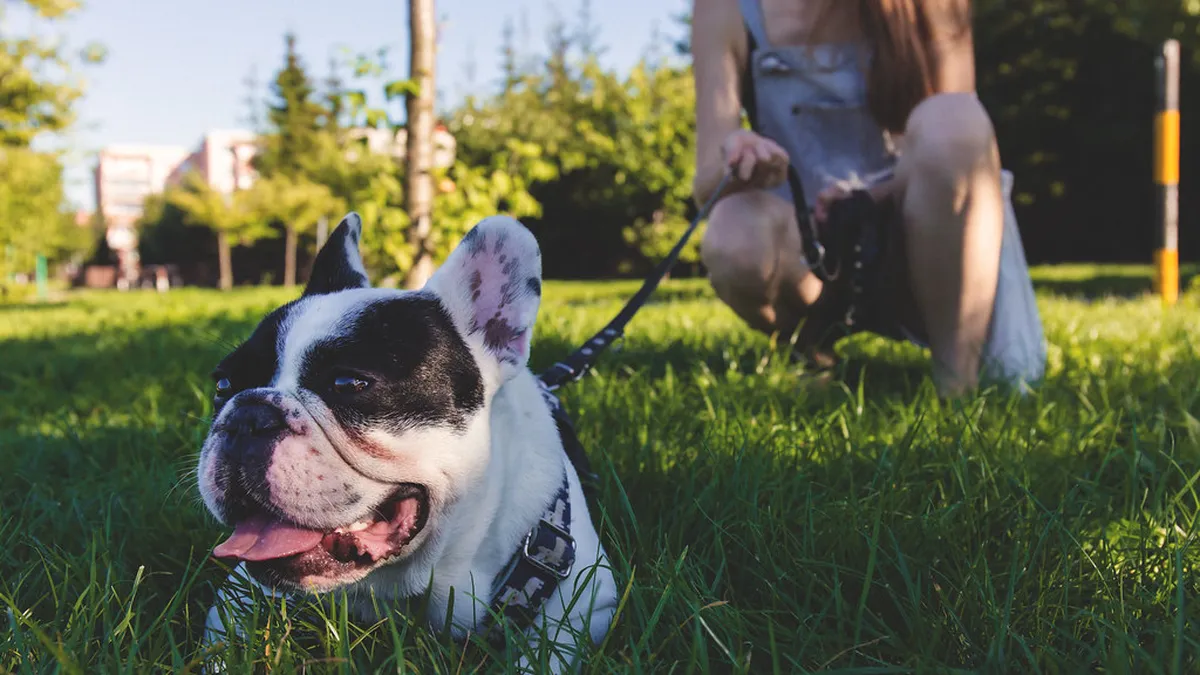
A dog with a full tank of energy has to spend it somewhere, and an empty house offers poor options. Before any longer absence, give your dog a proper walk with time to sniff. Sniffing is not a detour; it is the mental workout, and ten minutes of it tires many dogs more than a jog around the block.
If your schedule makes a decent morning walk impossible, that is exactly the gap a local dog walker fills. A midday visit also resets the clock on bladder and boredom, making the whole day easier for a dog still learning to be alone.
Step 6: Extend gradually and monitor
Once five-minute absences are relaxed, stretch toward fifteen, thirty, an hour. Mix durations rather than making every absence longer than the last, so your dog stops keeping score. A cheap pet camera, or an old phone on a video call, tells you the truth about how it is going: a dog who naps through your absence is done training; a dog who paces at the door needs the previous level a little longer.
Expect the line to wobble. A fireworks night, a house move, or a stretch of constant company (holidays are famous for this) can knock progress back. Drop to an easier level for a few days and climb again. That is not failure; that is how this training works.
Step 7: Know when to bring in a professional
Most dogs improve steadily with the plan above. But if yours still panics at the door after weeks of consistent practice, hurts themselves trying to escape, or cannot be left for even a minute, get help. This is not a failure of your training or your dog; severe separation anxiety is a genuine behavioural condition, and it responds best to a structured plan from a qualified trainer or behaviourist.
A vet visit belongs in that picture too: pain and illness can look exactly like anxiety, and for severe cases vets can discuss whether anti-anxiety medication should support the training. There is no shame in that route; it often makes the behaviour work possible in the first place.
The mistakes that keep dogs anxious
- Punishing the mess you find. Your dog cannot connect it to an act from hours ago; they only learn that your return is dangerous, which makes the anxiety worse.
- Using the crate as containment for panic. Confinement without positive crate training tends to escalate distress, sometimes to the point of injury.
- Rushing the timeline. Jumping from five calm minutes to a four-hour errand rehearses exactly the panic you are trying to erase.
- Being inconsistent. If Tuesday's absence is calm training and Wednesday's is a chaotic sprint out the door, the lesson never lands.
- Never actually leaving. Working from home is wonderful, but a dog who is never alone never learns the skill. Build in practice absences even when you do not need them.
One more encouragement: the payoff is bigger than quiet departures. A dog who has learned that alone-time is safe is calmer at the groomer, easier for a pet sitter, and more relaxed in life generally. If you are still choosing your future companion, our guide to the best dog breeds to own notes which breeds tend to find alone-time hardest.
Frequently asked questions
How long can I leave my dog home alone?
Most adult dogs cope with four to six hours once they are comfortable being alone. Puppies manage far less: a common rule of thumb is one hour per month of age, up to about four hours, limited mainly by their bladder. Every dog is individual, so build up gradually and watch how yours copes.
Will my dog grow out of separation anxiety?
Usually not on its own. Separation anxiety tends to persist or worsen without training, because every panicked absence rehearses the fear. The good news: gradual desensitization works very well for most dogs.
Should I crate my dog when I leave the house?
Only if your dog already loves the crate as a den. For happily crate-trained dogs it can be a genuine safe space; for dogs with separation anxiety, confinement often makes the panic worse. Never use the crate as punishment, and never introduce it for the first time by leaving.
Should I get a second dog to cure separation anxiety?
It rarely works. The anxiety is usually about being apart from people, not about being the only animal at home, and you risk ending up with two anxious dogs. Solve the anxiety first; add a second dog because you want one, not as a treatment.
How long does separation anxiety training take?
Mild cases often improve within a few weeks of consistent practice. Severe cases can take months and benefit greatly from a professional behaviour plan. Progress is rarely linear, so expect plateaus and the occasional setback.
Need cover while your dog learns? Download Pawtel for iOS or Android and book a vetted sitter or dog walker for the hours in between.