
The 10 Best Cat Breeds to Own: A Practical Guide for Real Homes
 By Christiaan Joubert · Published 19 July 2026 · 9 min read
Cats have a reputation for being interchangeable: aloof, self-sufficient, allergic to your affection until dinnertime. Anyone who has actually lived with more than one cat knows better. A Ragdoll and a Bengal are as different as a Cavalier and an Australian Shepherd, and picking the wrong energy level for your home matters just as much with cats as it does with dogs. At Pawtel we work with cat sitters and veterinarians every day, and some breeds come up over and over as the ones that make their owners quietly, deeply happy.
Here are ten breeds (plus our usual honest wildcard) that consistently make wonderful companions, with a clear look at what each one asks of you in return.
Quick answer: the 10 best cat breeds to own
- Ragdoll: the relaxed, dog-like lap companion
- British Shorthair: calm, undemanding, quietly devoted
- Persian: the serene beauty with a grooming schedule
- Siamese: talkative, social, endlessly entertaining
- Norwegian Forest Cat: the gentle giant of the north
- Burmese: the people-loving shadow
- Sphynx: the warm, wrinkly extrovert
- Russian Blue: the gentle introvert for quiet homes
- Bengal: for owners who wanted a small leopard
- Rescue / domestic shorthair: the best cat might not be a breed at all
How the breeds compare at a glance
| Breed | Energy | Grooming | Alone time | Best for |
|---|---|---|---|---|
| Ragdoll | Low | Medium | Dislikes long days alone | Families, first-time owners |
| British Shorthair | Low | Low | Handles it well | Working households |
| Persian | Low | Very high | Moderate | Calm, indoor homes |
| Siamese | High | Low | Struggles alone | Homes with company |
| Norwegian Forest Cat | Medium | Medium–high | Handles it well | Space, cooler climates |
| Burmese | Medium–high | Low | Struggles alone | Affection-hungry homes |
| Sphynx | High | Special (baths) | Dislikes long days alone | Devoted, warm homes |
| Russian Blue | Low–medium | Low | Handles it well | Quiet, routine-loving homes |
| Bengal | Very high | Low | Needs enrichment | Active, engaged owners |
| Rescue / domestic shorthair | Varies | Usually low | Varies | Everyone willing to match carefully |
1. Ragdoll: the relaxed lap companion
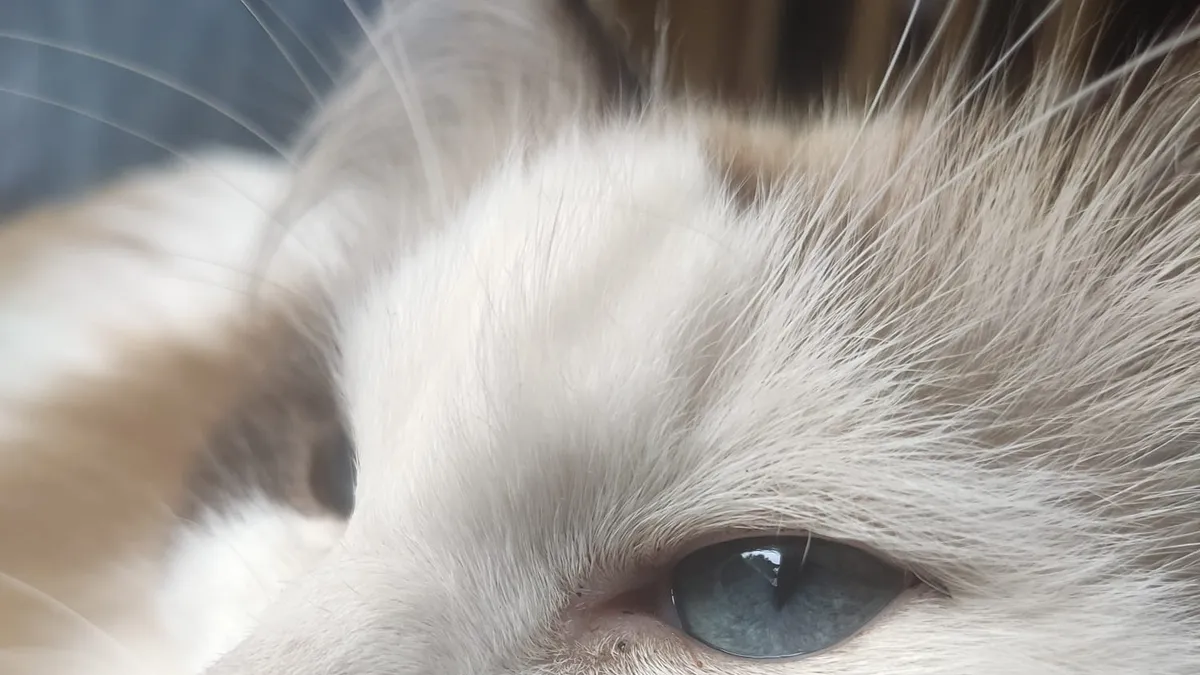
Ragdolls got their name from the way many of them go soft and floppy when picked up, and the temperament matches the party trick. They follow their people from room to room, greet you at the door, and settle on the nearest available lap with the commitment of a much smaller cat. For families and first-time owners who secretly wanted a dog's affection in cat form, the Ragdoll is the closest thing on four paws.
What they need from you: company. Ragdolls bond hard and do not love long empty days; a household where someone is usually around, or a regular drop-in sitter, keeps them content. Their semi-long coat needs brushing a couple of times a week but mats far less than it looks like it should.
2. British Shorthair: the easy-going classic
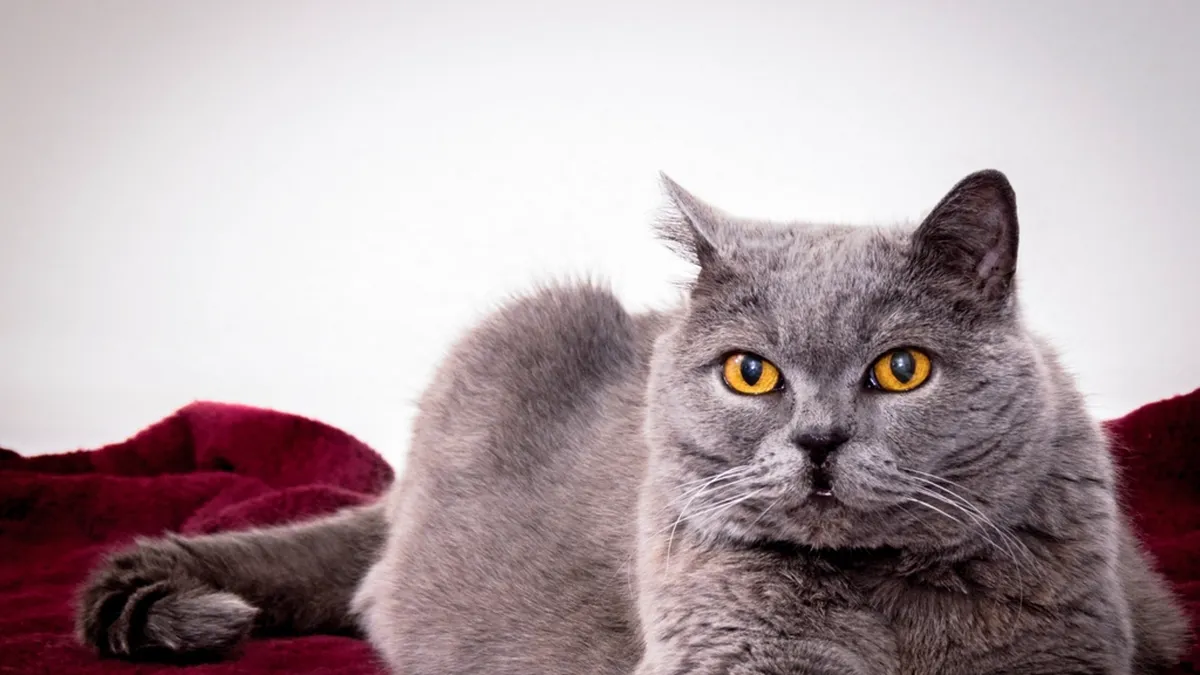
The teddy-bear face is doing exactly what you think it's doing. British Shorthairs are calm, dignified, and affectionate on their own schedule: they'd rather sit near you than on you, and they handle a normal workday alone better than almost any breed. Their dense plush coat needs only a weekly brush.
The honest trade-off is that they're not playful acrobats, and they gain weight easily once the kitten phase ends. Measured portions and a few minutes of wand-toy time a day keep the teddy bear from becoming a beach ball.
3. Persian: the serene beauty
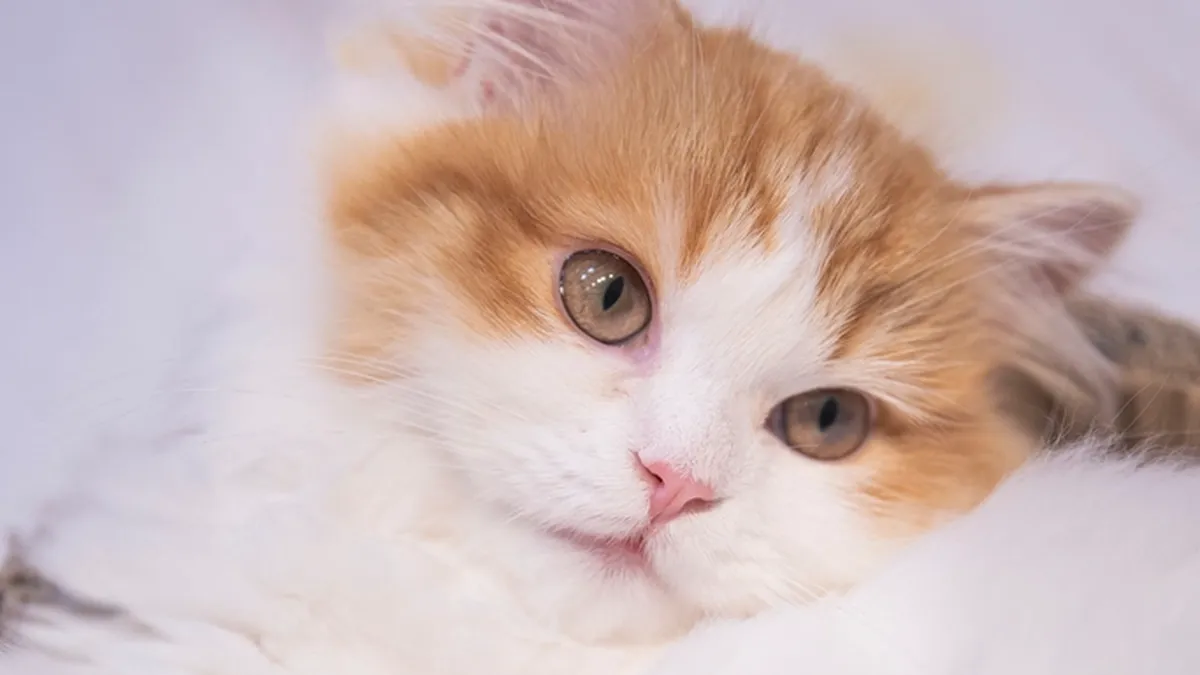
Persians are the slow living movement in cat form: quiet, gentle, and happiest in a calm home with soft surfaces and predictable routines. They're wonderfully peaceful companions who ask for very little excitement and give back a great deal of quiet devotion.
What they ask for instead is maintenance. That magnificent coat mats quickly without daily brushing, their flat face means eyes that need regular wiping, and a standing relationship with a good groomer is essentially part of the adoption. If the ritual sounds soothing rather than tedious, this is your cat.
4. Siamese: the conversationalist
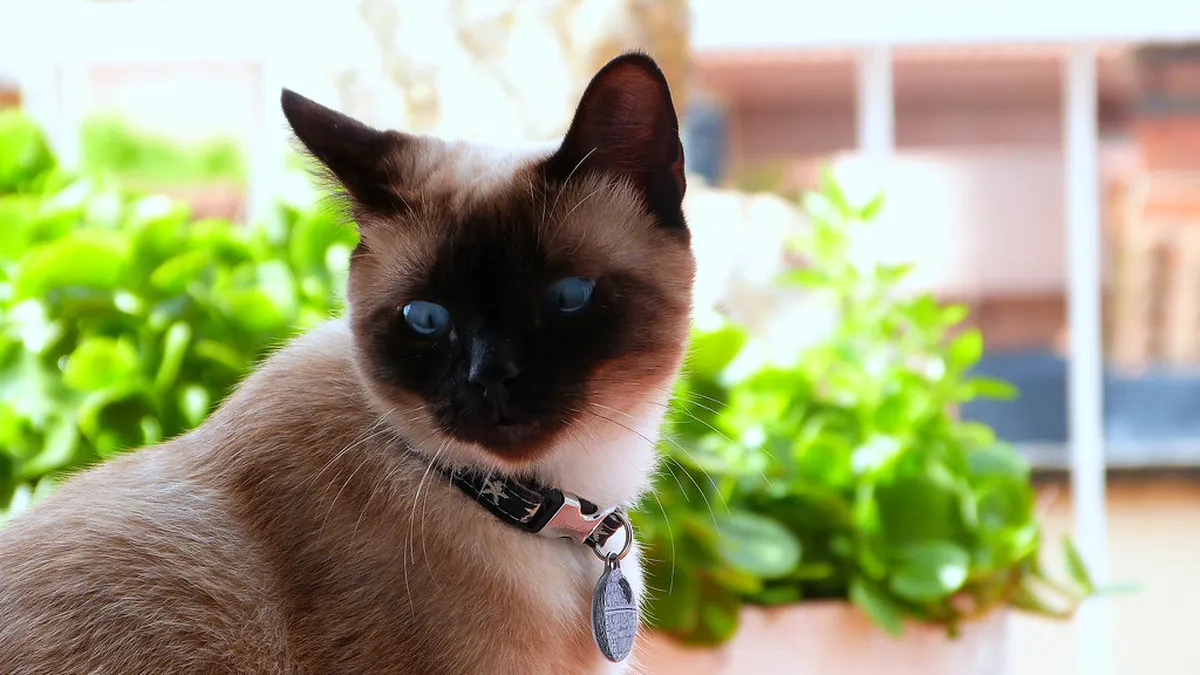
Siamese cats talk. Not decoratively: they hold actual conversations, with opinions about your cooking, your schedule, and the closed door between you. They're brilliant, deeply social, and form intense bonds; many learn fetch, walk on leashes, and treat puzzle feeders as a personal insult to be solved immediately.
All that sociability has a cost: a Siamese alone all day is an unhappy Siamese, and they will say so at volume. They fit best in homes with company most of the day, a second cat, or a sitter who visits when you can't be there.
5. Norwegian Forest Cat: the gentle giant
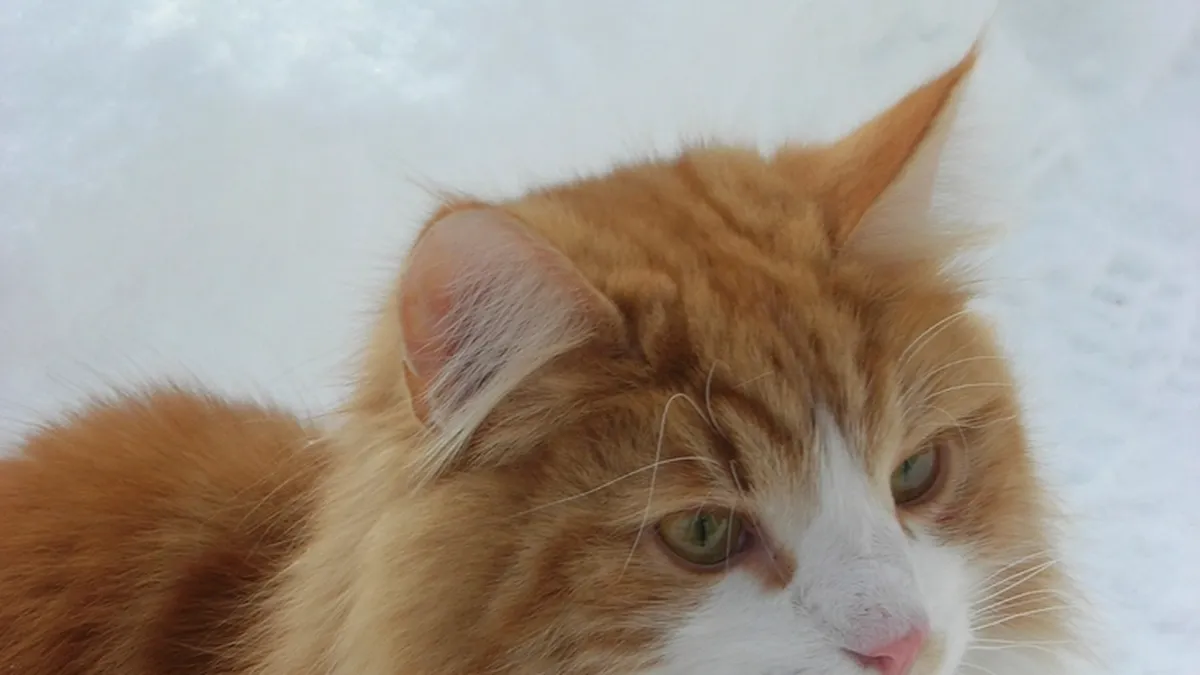
Built for Scandinavian winters, the Norwegian Forest Cat (or its close cousin in spirit, the Maine Coon) brings big-cat presence with a famously mellow temperament. Wegies are sturdy, patient with children, and pleasantly independent: affectionate without being needy, and perfectly capable of entertaining themselves during a workday.
They are climbers by design, so a tall, stable cat tree is non-negotiable furniture. The thick double coat needs brushing once or twice a week, escalating to daily during the spectacular spring shed.
6. Burmese: the people-loving shadow
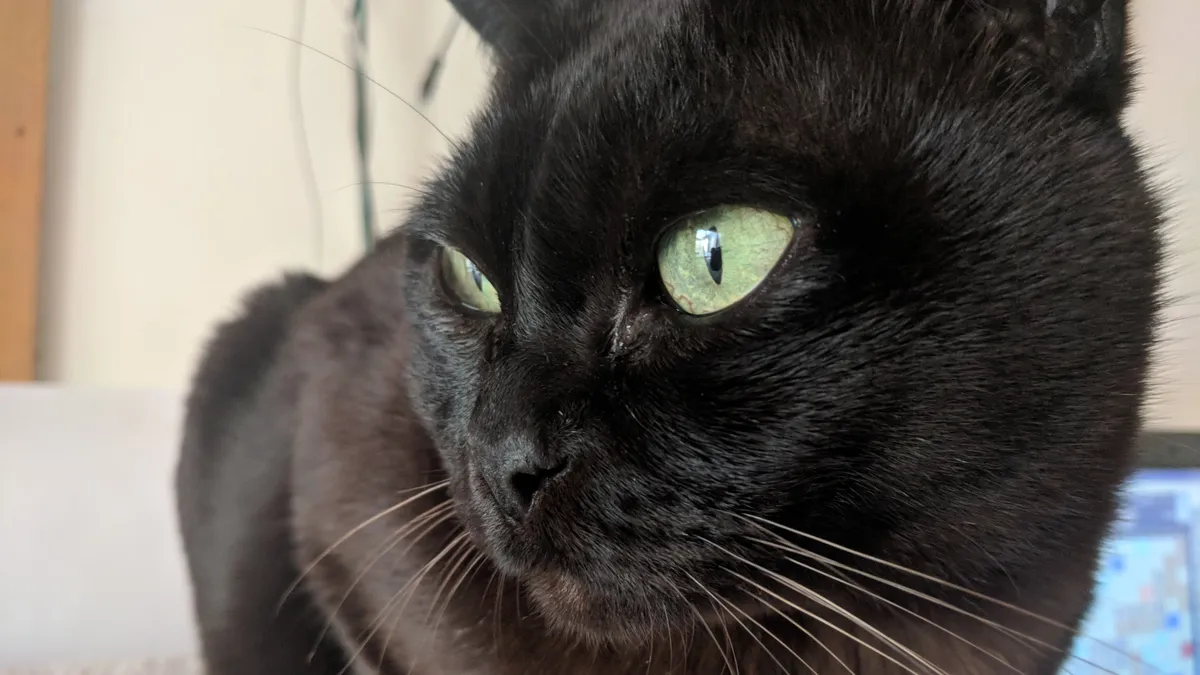
If the Russian Blue is for people who like their affection subtle, the Burmese is for people who want none of that restraint. These are warm, sturdy little cats that supervise everything you do, sleep against you rather than near you, and keep a kitten's playfulness for a decade or more. With children and visitors, they're famously tolerant.
Like the Siamese they descend from, Burmese genuinely suffer when left alone too much. Two Burmese is a common and honestly delightful solution; so is a home where remote work is the norm.
7. Sphynx: the warm, wrinkly extrovert
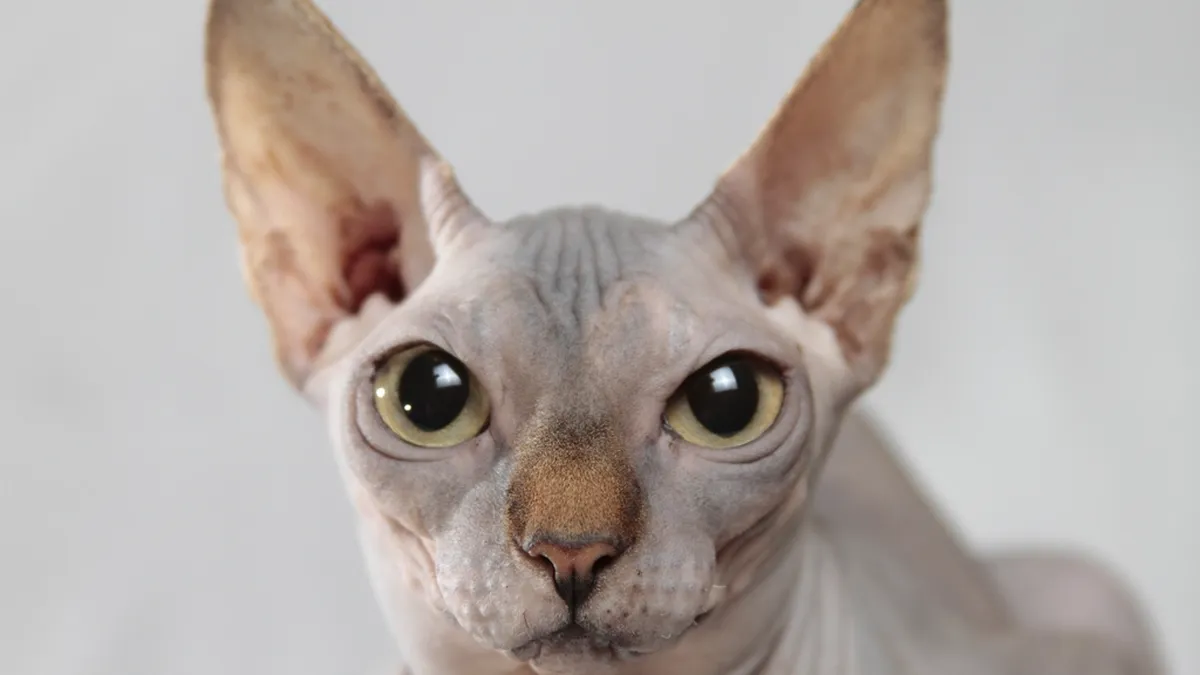
Nobody is neutral about the Sphynx, least of all the Sphynx, who has never once been neutral about you. Hairless, hot to the touch, and relentlessly social, they demand to be part of everything and will burrow under your blanket like a small radiator with opinions. Owners describe them as the most affectionate cats they've ever had.
No hair does not mean no maintenance: their skin produces oils a coat would normally absorb, so they need regular baths, plus ear cleaning and warmth in winter. Budget for the routine before falling for the wrinkles.
8. Russian Blue: the gentle introvert
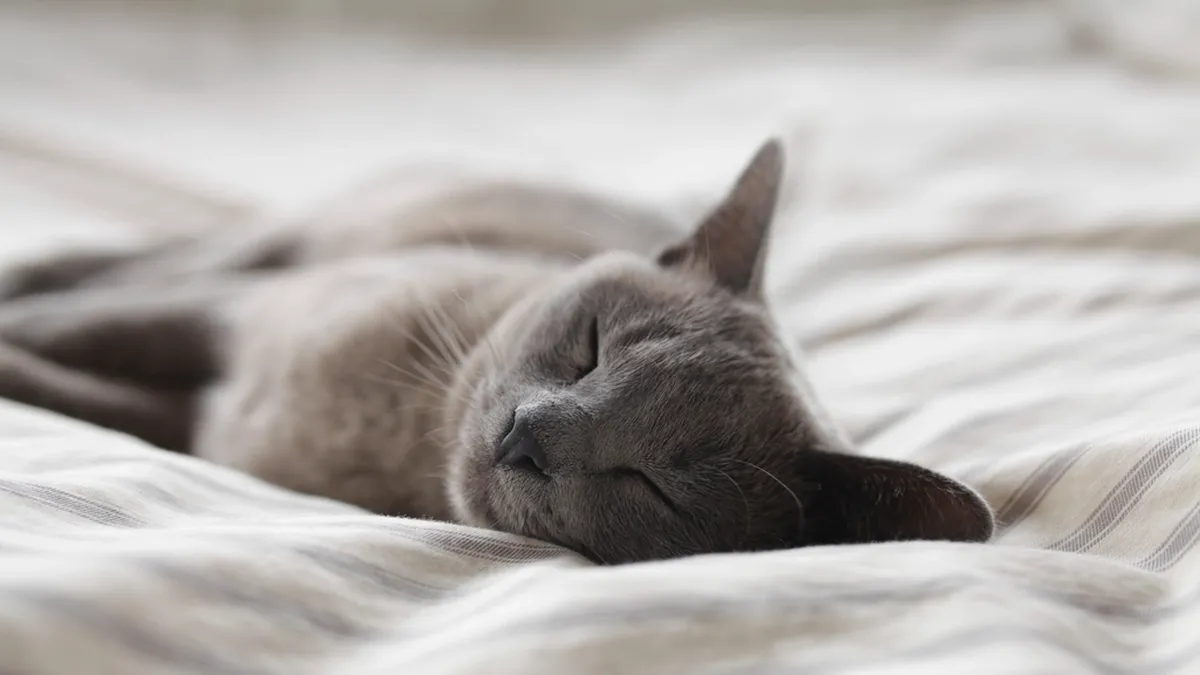
Russian Blues are the cat for people who appreciate subtlety: a shimmering silver coat, striking green eyes, and a reserved, deeply loyal personality that saves its affection for its own people. With strangers they're politely invisible; with you they're a quiet, constant presence who knows your schedule to the minute.
They thrive on routine and handle alone time well, making them superb companions for working professionals in quieter households. Loud, chaotic homes stress them; predictable ones make them bloom.
9. Bengal: the small leopard
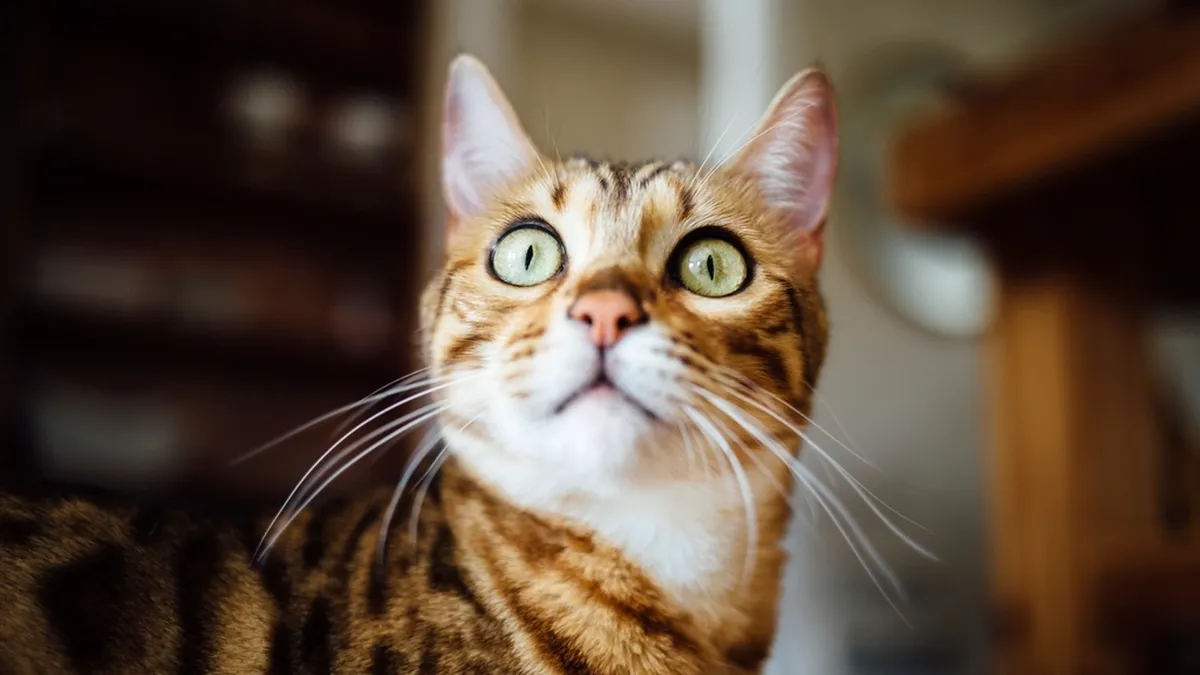
Bengals look like tiny leopards and behave accordingly: athletic, fiercely intelligent, fascinated by water, and capable of opening doors you believed were cat-proof. For owners who actively want an engaged, trainable, endlessly entertaining companion, nothing else compares.
This is the Australian Shepherd of the cat world: without climbing space, puzzle feeders, and real daily play, a Bengal will invent projects you won't approve of. They belong with genuinely committed owners, not good intentions.
10. Rescue / domestic shorthair: the wildcard we believe in
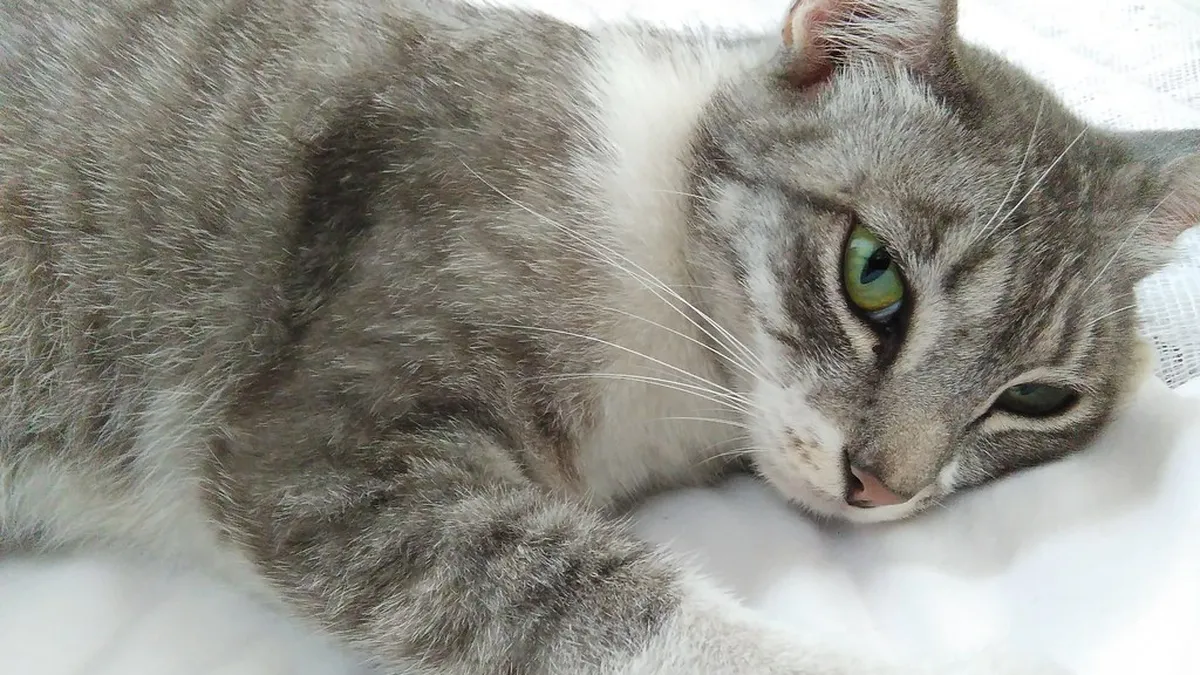
Just as with dogs, here's the honest truth: some of the best cats we see on Pawtel aren't a breed at all. Adult rescue cats arrive with their personality fully visible; shelter staff can tell you exactly which one is a lap cat, which one wants a quiet home, and which one will run your household within a week. Domestic shorthairs are frequently robust, and you skip the kitten chaos entirely.
If you want a specific temperament more than a specific look, tell a shelter what your life is like and let them match you. The happiest cat homes we know started exactly this way.
Whichever cat you choose, Pawtel has their care covered
Vetted cat sitters, groomers, and vets near you, with secure in-app payments and photo updates while you're away.
How to choose the right cat for you
Work through these four questions honestly before falling for a pair of eyes:
- Time alone: How many hours is the cat alone on a normal weekday? Independent breeds like British Shorthairs and Russian Blues cope well; social breeds like Siamese, Burmese, and Sphynx need company, a feline friend, or a local cat sitter for drop-in visits.
- Energy: Match the cat to your actual evenings, not your aspirational ones. A Bengal without play is a demolition project; a Ragdoll without a lap is merely puzzled.
- Grooming budget: Persians need daily brushing and professional grooming; Sphynxes need baths; shorthaired breeds mostly need a weekly once-over. Build it into the monthly maths from day one.
- Travel: Cats do best in their own territory, so instead of a boarding cattery, most are happier with a sitter visiting daily. Pawtel connects you with verified cat sitters near you, and if you're a pet-care professional yourself, you can offer your services on Pawtel too.
Leaving your cat with a sitter for the first time? Our pet sitter checklist covers the full handover.
Frequently asked questions
What is the best cat breed for first-time owners?
Ragdolls, British Shorthairs, and Burmese are excellent first cats: affectionate, even-tempered, and forgiving of a household still learning cat rules. An adult rescue with a known personality is arguably the easiest start of all.
Which cat breeds are best for apartments?
Ragdolls, British Shorthairs, Persians, and Russian Blues all suit indoor apartment life beautifully thanks to their calm temperaments. High-energy breeds like Bengals and Siamese can work too, but only with serious daily play and vertical climbing space.
What is the most low-maintenance cat breed?
Short-haired, easy-going breeds like the British Shorthair, Russian Blue, and Burmese need little more than weekly brushing. No cat is zero-maintenance though: every cat needs daily care, play, and someone to check on them when you travel.
Which cat breeds can be left alone during the workday?
British Shorthairs, Russian Blues, and Norwegian Forest Cats generally handle a normal workday alone with food, water, and enrichment. Siamese and Burmese struggle with long solo days, and no cat should be left entirely alone for a whole weekend: book a drop-in sitter instead.
Should I adopt a rescue cat instead of buying from a breeder?
Adoption is a wonderful option: adult rescues arrive litter-trained with a known personality, and domestic shorthairs are often very healthy. If you do want a specific breed, choose a responsible breeder who health-tests their cats and raises kittens in the home.
Bringing a new cat home soon? Download Pawtel for iOS or Android and have trusted local cat care in place before day one.